There’s a lot of talk these days about farm bill equity in relation to scale. Many advocates call for adjusting farm program benefits according to scale, to give more benefits to smaller “farms” and less to larger farms, especially if they grow only corn and soybeans, for example, in the corn belt. This paper teaches an answer to some of these issues. It’s really quite interesting. I also have a slide show that examines more of the issues.
This paper uses some historical examples, some historical context. In part I’m thinking of the 1980s to early 90s when Republican President Ronald Reagane was in office. The 1980s was also a time when Family Farm (Farm Justice Movement leaders made bold proposals to restore adequate updated versions of the earlier New Deal “parity” farm programs of 1942-1952. Populist Democrats in Congress turned these proposals into actual bills. These included the Farm Policy Reform Act, introduced in Congress as the Harkin-Alexander bill,https://familyfarmjustice.me/2016/12/10/the-farm-policy-reform-act-of-1985/ and the Family Farm Act of 1997, introduced in Congress as the Harkin-Gephardt bill. https://familyfarmjustice.me/2016/12/09/family-farm-act-of-1987/
Stimulated by the work of EWG, in the 21st century there has been a major rise of a Food Movement, an Environmental Movement that focuses on the farm bill, and related sectors and subsectors. At times they have emphasized, for example, comparisons between EWG’s top 10% of farm subsidy recipients, those who have received the most money, and those farther down on the list. The contrasts are quite shocking, (until you read my analysis of the data, as linked above, and see my slide show, Politics, Farm Size and Agribusiness, also linked above). As I showed in the link above, this is a myth, and it is also a major context for this paper.
Who Really Favors Growing Less Corn and Soybeans?
Ok, let’s look at some different farm sizes, subsidies, and proposals to grow less corn and soybeans. Here are the average yearly subsidies for corn and soybeans as seen in the Farm Subsidy Database for 1995-2010.
Starting in the middle at the 50% mark, (top 50% or bottom 50% mark,) are the recipients who got subsidies, on average, as shown. Moving up to other top percentage marks in the Farm Subsidy Database we see these amounts.
Naturally, it has seemed unfair for so many people that some “farms” (recipients,) got so much more than others. So they’ve called for giving less at the top, and more and the bottom.
There is more to the story, however. Earlier farm programs had Supply Reduction, (acreage “set aside,”) requirements. For example, the 1990 farm bill required a 10% reduction of corn acreage for 1995. (That was ended by the Republican Congress in the 1996 farm bill.) Here’s what that would mean for the farms (& “farms”) in this example.
Here’s a comparison for anyone concerned about the impacts of corn and soybeans, for example, with regard to it’s impact on water quality. Here we look at WHO proposes legislation where corn and soybean acres are reduced.
We see, then, that even the Republicans, (prior to 1996,) called for reductions in corn acres, (with the biggest reductions for the biggest farms, while the progressive Food and Environmental Movements, (including the Environmental Working Group,) propose no legislataion that reduces corn and soybean acres, even for the biggest farms! Likewise, the Sustainable Agriculture/Organic Movement sectors, (including groups like the National Sustainable Agriculture Coalition,) proposes no reductions in corn and soybean acres. On the other hand, the Family Farm (Farm Justice) Movement, (in this example from the 1980s, and representing most farmers, has proposed even larger reductions, for both corn and soybeans. (Today there are more moderate proposals from the National Family Farm Coalition, National Farmers Union, Texas Farmers Union, and Campaign for Family Farms and the Environment. WHY do you suppose the Food/Environmental/Etc. Farm bill advocates propose no reductions in corn and soybean acres, even for the largest farms, while even the Republicans have done so in the past?
Well, I think the answer is quite simple. These newer advocates really don’t at all listen to the Farm Justice Movement that represents most family farmers. Therefore they don’t know the history of the farm bill, and they don’t know what the proposals of the Family Farm Movement have been, or even that they have ever had proposals. And therefore, they don’t really even know that there have ever been farm bill requirements to reduce corn and soybean and other acreages, (i.e. wheat, cotton, rice, grain sorghum, barley,) or proposals to increase the reductions.
Here we again see that the actual farm bill had reduced acres for corn, (and other crops, but not including soybeans,) and required the largest farm to have the largest reduction in corn acres. At the same time, the largest farm received the most subsidies. The largest farm also had the largest costs, (full economic costs,) costs of nearly a million dollars in this example. In contrast, the smallest “farm”* had costs of less than $1,000. Should the “farm”* with less than $1,000 in costs get many more subsidies, like the largest farm, with costs of nearly a million dollars? That’s what many have argued and proposed. Of course, they don’t know about the rest of the story, part of which I’m showing here, and see further the slide show and article linked above, which goes into more detail.
Why Did the Sustainable Family Farm Movement Reject Farm Justice? And a Proposal
A major setback to farm bill reform was the splitting off of a Sustainable Family Farm Movement from the Family Farm (Farm Justice) Movement during the 1990s. This negatively influenced many other farm bill advocates who share our values during the 21st century, such as the Food Movement and the Environmental Movement advocates working on the farm bill, and various subsectors. We were divided, to be conquered, and we still are.
I see several key factors in this failure. First, the Family Farm (Farm Justice) Movement failed to adequately address the issues of sustainable agriculture. A second factor is related to the first. The Sustainable Family Farm Movement misunderstood the impact of the New Deal style farm programs, thinking that they rewarded corn and soybeans, for example, when in fact these crops were penalized more than more sustainable crops and livestock enterprises. At the time, no one, including me, looked at the full data, drawing false conclusions. A third factor is that foundations and other funding sources were influenced by all of this, and de-funded farm justice, while ramping up funding for sustainability.
During the 1990s, Iowa CCI offered a radical solution to this rising divide, through its concept of “Farming with Fewer Chemicals.” Sure, it doesn’t sound radical. What makes it radical is that it was nonthreatening to conventional farmers, focusing on both reduced chemical farming and organic farming. Iowa CCI brought the two sides together in a united way.
One key missing narrative was the story of how Congress, in reducing and later ending minimum farm price floors and supply reductions, forced farmers to increasingly subsidize CAFOs, with most farms in major farming states then losing all value-added livestock and poultry, to then lose all of the “sustainable livestock crops,” pasture, hay, and the nurse crops for these, like oats and barley, to then lose the infrastructure and infostructure for diversity on farms, in rural communities, and across rural regions. Losing farm justice was devastating to sustainability and the farm environment. To this day, the National Sustainable Agriculture Coalition and the Food and Environmental Movements unknowingly support this, the most massive subsidization of CAFOs, paid by farmers. https://www.slideshare.net/slideshow/how-cafos-are-subsidizedpdf/256563076
Another fascinating narrative factor is that the Sustainable Family Farm Movement called itself the “Sustainable Agriculture Movement,” benefitting everyone. In contrast, the “Family Farm” Movement, in neglecting to emphasize “Farm Justice,” especially as a key to sustainability, ended up being seen as offering very low-grade benefits, the self interests of “family farmers,” most of whom were conventional farmers. The new Food and Environmental sectors, sometimes included this, but it was listed farther down on their lists of priorities. The Family Farm Movement offered no narrative emphasizing that this was a multi-trillion dollar issue that was behind the massive destruction of sustainability on farms. Nor did they offer much of a criticism of the mere subsidy reforms that these other groups were offering. Mere subsidy reforms preserve the massive subsidization of CAFOs and agribusiness concentration.
A Proposal. To me, a key farm bill mistake over the decades, and another factor behind the division in our movements was that supply reduction programs made the same requirements on farms that produced only corn and soybeans, 50-50, as they did for farms which already produced less corn and soybeans, such as one with a four year rotation of oats-hay-corn-soybeans, (25-25-25-25). The value of diversity, so obvious today in light of the dead zone in the gulf, the water quality crisis, the rising cancer rate, and the various other problems of agriculture today.
I propose that future New Deal style proposals require bigger supply management reductions for farms with less diversity. This would mean that the bigger corn-soybean farms would do even bigger reductions of corn and soybeans than in my examples above.
*Appendix: Farm Sizes in the Examples
Here are the farm (or “farm”*) sizes in the first example. They were calculated based upon average subsidies per acre.
If you were growing corn and soybeans during these years, 1995-2010, you would not be a full-time farm at the small sizes, even at 203 acres and more in the top 10%. Of course, none of the critics have done the math on this. They haven’t known that they were asking for part-time farms and tiny acreages to get the same subsidies as full-time farms.
Here are the farm (or “farm”*) sizes in the second example. They were chosen by me to illustrate my points.
Here again, the smaller farms are not big enough to be a full-time family-sized farm. Is a 300 acre farm growing just corn and soybeans big enough to be full time, with $3,320 in net returns, (including $87,067 in gross market income, a loss of $7,200 in market income (and $10,520 in subsidies,) after full economic costs are subtracted?
EWG uses the term “recipients” for those receiving subsidies in the Farm Subsidy Database. Others translate that into “farms,” without regard for, or without knowing, that most recipients are too small, usually far too small, to be full-time farms.
There are a variety of powerful arguments in favor of restoring the New Deal parity-style farm programs, which feature top and bottom side supply management in support of minimum farm price floors and maximum price ceilings. These programs were reduced, more and more, 1953-1995, then ended. The results have been disastrous for U.S. agriculture, the U.S. economy, and much much more.
First, consider the American Argument, which is also the Business Argument, the Economic Argument, and more specifically, the Job Creation Argument, the Economic Multipliers and Wealth Creation arguments. This is also the Global Trade Argument. Farm markets “lack price responsiveness” “on both the supply and the demand side for aggregate agriculture,” so parity-style farm programs are always needed. From an economic standpoint, he most dramatic and absurdly overlooked argument here is that the U.S. should not lose money on farm exports, or on sales out of farming states, out of farming communities and off of farms, as as has been done for decades. In short, free markets and free trace chronically fail for agriculture. This goes far beyond questions about the balance of trade and questions of “market access.” The argument that “farmers need markets, not subsidies,) which we are hearing today in response to President Trump’s actions that have seriously damaged farm markets, is a false, conservative argument. It fails to address how farmers have lost money on exports, subsidizing countries all around the world, including, on sales of soybeans to China. In all of these ways, the costs are born by farmers, not middlemen, not the input complex, not the agribusiness buyers. While the main affects are seen in the reduction of farm income in the main farming states, they also show up as a reduction in national income. Farm income on diversified farms has had strong economic multipliers, in that they have reconciled, (not merely added,) many forms of value, creating lots of wealth. Reductions in the New Deal programs has not only reduced this value and wealth for farming areas and the nation as a whole, it has also changed farming to where it is less diverse, reconciling many fewer values, and therefore creating significantly less wealth.
The Farm Subsidy Argument, which is also. the False Dominant Narratives Argument., is another important economic consideration which is also a very dramatic issue of intellectual blindness through a false paradigm bursting with anomalies. So most directly, we should have market management policies and programs, not expensive subsidies that cover up economic injustices and drainers of wealth, while only fractionally compensating the US farmer victims. Addiditonally, in hiding the economic damage in this way in order to blame the farmer victims, via dozens of farm subsidy myths, we have thwarted progress toward effective U.S. farm policy and trade policy in massive ways, affecting all of the arguments seen here.
A key point of consideration with regard to the New Deal style farm programs is that they have played a bigger role on key issues than the other titles of the farm bill. They have been more important for conservation than the Conservation Title, more important for Farm Credit than the Farm Credit Title, more important for Rural Development than the Rural Development Title, more important for research than the Research Title, more important for trade than the Trade Title, more important for minorityfarmers, local food farmers, and global hunger (global food aid) than specific programs to address these challenges.
The Sustainability Argument, (the Conservation Argument,) which is also the Environmental Argument, the Climate Change Argument and, more specifically for our time for the Midwest, the Water Quality argument. Cheap feedgrain prices subsidize CAFOs, giving them a competitive advantage over diversifed farmers. This subsidization therefore has fostered the massive removal of livestock from diversified farms, at the multi-billion-dollars-below-zero level. This, in turn, has led to massive losses of pastures, clover and alfalfa hay, and nurse crops for these like oats and barley, severely damaging resource conserving crop rotations like those we once saw on most farms, and that we still in organic farming. In turn, that has lead to greatly increased use of harsh fertilizers and pesticides.
The Rural Development Argument, which breaks down into a large number of related arguments, as seen in the loss of hospitals and other mainstreet businesses, health care facilities, schools, and population in rural areas, including a massive “brain drain.” US and global rural areas need a fair share of wealth, they need fair trade farm prices to stimulate the creation of wealth and jobs.
The Research Argument. We should not subsidize the development of a massive authoritarian and unsustainable power complex by setting farm prices artificially low, at the expense of all of these other goals. On this point see also Sustainability Argument and the Health and Nutrition Argument.
The Farm Credit Argument. Farmers need fair market prices for paying off loans. Keeping farmers in debt is highly inefficient, severely damaging to rural communities, and costly to consumers.
The Minority Farmers Argument. Minority and women farmers especially need to be paid fairly. Reducing and ending the New Deal farm programs over the past seven decades has been devastating to minority farmers. Actions to put new minority farmers onto the land with no regard to the larger policy problem that got rid of the previous well established minority farmers, based upon not knowing the larger economic history is foolish.
The Health and Nutrition Argument (Obesity, Diabetes, etc.). We should not subsidize unhealthy transfats and sugars, such as high fructose corn syrup with below cost food grains and oil seeds. The Water Quality Argument, above, is also now the Cancer Argument, as Iowa, for example, has become a leading state where cancer rates are high and rapidly growing.
The Local Foods Argument, was touched on above. It makes no sense to destroy the farmers who can best bring diversified local foods to consumers.
The Infrastructure Argument. With the massive reduction and elimination of the New Deal farm programs, and the resulting damage to farms and the farm economy, we’ve seen massive damage to the infrastructure and infostructure for diversity and wealth creation, on farms, in rural communities, across rural regions, and across the world. In addition to the damage to the infrastructure for diversity and sustainabilty, we’ve also seen massive damage to other aspects of rural regions, such as to the infrastructure for health care, for education, and to economic infrastructure up and down rural main streets.
The Inner City and Global Food Costs Argument. Only the New Deal farm programs protect consumers from spiking food costs due to shortages. We should always have price ceilings to trigger the release of reserve supplies, to moderate these price spikes and prevent hunger.
The Global Hunger Argument. Not that long ago more 80% of the global “undernourished” were rural, as were 70% of the populations of Least Developed Countries. They need fair farm prices to stimulate their rural economies.
The Political Strategy Argument. It is a huge political mistake for advocates on this wide variety of issues to merely call for increased government spending to patch up what is being otherwise damaged. The conservative side of these issues needs to be put front and center as an even higher priority. We should not lose money on farm exports, subsidizing foreigners, just because giant agribusiness buyers want to be subsidized by below cost farm products, and giant agribusiness input sellers want to sell products on maximum acreages, with no supply reduction programs. These are very important conservative economic issues, not just progressive issues.
An Open Letter to the National Sustainable Agriculture Coalition.
“He drew a circle that shut me out- Heretic, rebel, a thing to flout. But love and I had the wit to win: We drew a circle and took him in!” Edwin Markham, from “Outwitted”
Introduction
In your piece, “Examining the House Agriculture Committee’s Reconciliation Bill,” (June 4, 2025, https://sustainableagriculture.net/blog/examining-the-house-agriculture-committees-reconciliation-bill/,) you write that the House Agriculture Committee’s Reconciliation Bill” “boasts an immediate increase to reference prices for each covered commodity under the Price Loss Coverage (PLC) program by 10 to 20%, in addition to an annual 0.5% adjustment beginning in 2031, up to 115% of the statutory reference price.” And you are boasting this too, but as a bad thing. And you’re relying on FarmDoc Daily in your analysis.
Doing the Math Correctly: Adjusting for Inflation
But there’s a problem here. None of you did the math correctly. None of you adjusted for inflation. When you do that with regard to the PLC program, then the benefits have gone down every year, and they will continue to go down in the Republican bill. So yes, there’s an increase in Reference Prices from 2024 to 2025, for example, but prior to that the 2014 statutory Reference Prices, (continued in 2018,) have fallen considerably, to just 77% of the 2014 level. Adjusted for inflation in 2014 dollars. So the new 2025 levels are actually significantly lower than 2014, with corn, for example, at only 83% of 2018. And this reduced level then goes down every year, 2026-2030 for the same reason. You point to the “annual 0.5% adjustment beginning in 2031,” and call it “115% of the statutory reference price.” But CBO projects a 2% rate of inflation for those years, so the 0.5% increase is actually a 1.5% decrease. In calling it a 115% increase, (113.5% for corn,) you’re comparing the new nominal 2035 Reference Price with the old nominal 2014 Reference Price. But if you adjust for inflation, (i.e. in 2014 dollars,), corn is only 70% of the 2014 level, as is oats, barley and grain sorghum. Most others are not far behind.
The Larger Contexts of Market Management Policy Reductions, the Full Costs of Production, the Farm Economy, Agribusiness, and the Republican Party
What makes you think that Republicans would ever do anything significant to help farmers? Republicans have a long history of making things worse, including for corn, wheat, cotton rice and soybeans. With that in mind, there are other problems here as well, such as the lack of an adequate context for the changes and impacts. In creating and supporting the PLC program, (2014 & 2018 farm bills,) Congress set reference prices well below the full costs of production in most cases, (i.e. excepting rice and peanuts). That’s where the downward trend lines start, at the low 2014 levels. I computed this for the initial standards 10 years ago, (2014, 2015,) and I’ve now computed it for the earlier phase, through 2025. I’ve also taken 2025 full cost figures and projected them ahead using CBO’s projected rates of inflation. Again all crops except peanuts and rice are consistently below full costs, (and peanuts and rice fall below full costs at times, as their Reference prices fall year after year).
Here I note that you translate the Republican farmer benefits from things like Reference Prices, (i.e. in dollars per bushel,) into billions of dollars. You refer to an increase of “roughly $52 billion over 10 years.” My calculations are based upon CBO projections of PLC participation rates, PLC historic or “payment yields,” and market prices, as well as projected full cost figures. I look at just 6 crops, corn, soybeans, wheat, barley, oats and grain sorghum, because those are the only crops for which CBO has provided projections of participation rates. I used an example where market prices fell to 5% below reference prices, where the PLC subsidies clearly kick in. Figures are adjusted for inflation in 2025 dollars. What I find at those price levels is a reduction of $237 billion below full cost estimates for the 6 crops, for 2025-2035. (Of course there were billions in reductions during the earlier phases as well.). Then, when PLC subsidies are calculated, the reductions are reduced to just $164 billion below zero.
So the subsidies figure to be $43 billion in the example. Of course, this would all be bigger if I had comparable projections for the additional crops.
Ok, so net benefits at $164 billion below zero. Here again, the money, (in this case the big billions,) looks very different when you adjust for inflation, and place the figures in the larger context of economic realities.
You further argue that “very few farms will benefit from the bill’s most expensive agriculture provisions,” including, for example, “Farmers growing fruits and vegetables – among them, many small and direct-market farms.” And, you add the specific context, of how “78 percent of counties stand to see a net reduction in federal nutrition benefits” from the farm bill changes. But what my math has shown, is that the Republican programs massively reduce benefits for the farmers using the PLC program.
Us Against Them
Strategically and politically, in making these arguments, you’re emphasizing a division between the many farmers in programs like PLC, (falsely said to have increased Republican support,) and sustainable, local farmers, fruit and vegetable farmers, and poor people. It’s them against the PLC farmers. What I’ve shown, however, is that you’re blaming farmer victims, and that you are therefore pitting victim against victim. It’s an “us against them” mentality. In this you lump farmers and Republicans together, as if they’re close allies. By your criteria, most farmers in many midwestern states should vote Republican. So I guess you’re saying that, with regard to economic interests, Republicans should win the rural vote. It’s a recipe for over all farm interests, (in sustainability AND justice,) to be divided and conquered. It’s a major part of how those advocating on farm issues have become siloed, doing their own thing separately. That’s according to your math, and that of sources like FarmDoc Daily. That’s according to not adjusting for inflation, and not considering the larger economic, strategic and political context.
The Historical Context Behind the NSAC’s False Paradigm: What the Evidence Shows
There is, however, an additional and much larger economic, strategic and political context left out of your analysis. This is that you don’t account for how agribusiness will benefit from the bill. This is an issue that reaches back to the origins of major campaigning by the Sustainable Agriculture Movement during the 1990s, following decades of activism on the issues of economic distributive farm justice by the Family Farm (Farm Justice) Movement. With help from large funding sources, sustainability rose up and justice sank down, (with help from Republicans ending market management farm programs in the 1996 farm bill, ‘free’ trade agreements that assaulted farm justice globally, the rural populist Democrats switching sides to join Republicans in “greened up versions” of the 1996 bill, and a major reduction in the funding of farm justice organizations.
I was there, with others, in 1995 when NSAC’s predecessor, the National Campaign for Sustainable Agriculture (NCSA) was being formed, (participating on committees of the Midwest Sustainable Agriculture Working Group and the new national umbrella group). I spoke out in favor of the policies of economic justice, which were being neglected by the top leaders of the movement. Specifically, I called for the groups to take a united stand for adequate levels of the Price Floor/Supply Management programs, (no subsidies needed). These changes would have ended the massive agribusiness/CAFO subsidies, reduce acreages of corn and soybeans, and support crops like oats and barley, (which in turn support the use of pasture and hay, grass, alfalfa and clover, in resource conserving crop rotations).
NCSA rejected these changes. Later, however, mainline churches convened a meeting to take a second look at these issues, however, and the proposals to end agribusiness/CAFO subsidies were supported. Shortly afterwards, however, key leaders back home blackballed this agreement, and that has been NSAC’s position up to today. Meanwhile, Republicans in Congress ended the Price Floor programs, (signed by President Clinton,) leading to 8 of the 9 lowest corn and soybean prices in history, 1997-2005. Additionally, as billions of additional dollars were transferred from feed grain and soybean farms to CAFOs, damage to sustainable crop rotations has continued, with farms such as here in Iowa losing more livestock diversity, to then lose more of the diversity of sustainable livestock crops, pasture hay and oats.
These cheap conventional prices also lowered the standards undergirding organic premiums, and the competition in stores against those sales. This occurred for dairy as well, as those low price floors were ended. Local sales of meat and dairy here in my town, (after investing in infrastructure for processing and marketing,) didn’t last very long under those conditions. The massive loss of livestock and “livestock crop” diversity since 1950 has also led to a massive loss of the infrastructure for diversity, on farms, in rural communities, and across rural regions. (Loss of fences and livestock facilities, loss of support services and equipment including large animal vets. My elevator quit grinding feed and quit buying oats.) That too hurts organic farmers. At the same time, surviving farmers continued increasing the number of days they worked off the farm and the amount of non-farm money they made, increasing the availability of off-farm capital, and decreasing the availability of the labor needed for diversity. This all contributed to the failed system we have today, and to the tremendous problems of agriculture, including the environmental and health problems.
Your Paradigm is Too Small
The issues here are clearly systemic. They’re based upon an inadequate paradigm, a false dominant narrative, (actually interrelated false conservative and progressive narratives that have deep roots in the farm subsidy question). The view of the Sustainable Agriculture Movement during the 1990s, (like the one you’ve put forth here,) was based upon a belief that the trend away from sustainability was caused by greatly rewarding crops like corn and soybeans with “commodity subsidies.” The logic behind this claim is that you only need to look at subsidies and spending to know what caused the problems. From that perspective you then conclude that corn and soybean farms have been greatly rewarded, leading to all of the problems.
By that same logic you only need to look at spending on SNAP subsidies to know that SNAP recipients are the biggest winners of the farm bills. Additional aspects of the logic of this false paradigm would then lead to conclusions such as: SNAP recipients and Big Food are on the same side, and SNAP recipients are likely among the biggest lobbyists funding Congress. (These absurdly false claims are directly equivalent to those made about “industrial farmers,” such as those growing corn and soybeans.)
In both cases, the paradigm is far too small. You need to look at the larger economic and policy context to understand what farm and food subsidies accomplish. As it turns out, SNAP recipients are poor, and SNAP has been inadequate, in that context, to prevent many children and adults from going hungry. The missing policy context is that of market management. For SNAP recipients, that includes low minimum wage floors, (projected to fall into the $4 range in 2026, adjusted for inflation in the original 2009 dollars). Other factors include weak labor laws, lack of full employment policies and programs, lack of fair trade agreements, and lack of adequate anti-trust policies and enforcement.
The same holds for the logic of NCSA’s and NSAC’s interpretations of farm subsidies. The main specific market management policies and programs, Price Floors and Acreage Reductions, were reduced, more and more, 1953-1995, then ended. Along the way, market prices dropped more and more, net farm income went low and stayed low, and similar results are found from a list of major economic indicators. Meanwhile, subsidies didn’t start for corn until 1961, after prices had already dropped a lot. Soybean commodity subsidies didn’t start until 1998, (i.e. no Deficiency Payments). So there were had been no subsidy compensations for soybeans as of the 1990s when NSAC leaders blamed subsidies for over-rewarding soybeans.
I examined corn and soybean prices and subsidies for 1980-2005 using percent of parity. This enabled me to directly compare what happened to them with what happened to other enterprises that are important to resource conserving crop rotations. As it turns out, by this standard, corn and soybeans made less, (prices plus subsidies,) than cattle, dairy, hay and oats, (adding in subsidies only for corn, soybeans and oats). All of these crop and livestock prices went downward during the period, however, (and from 1953 to today). So in fact, sustainable crop rotation enterprises were more rewarded, (less reduced,) than corn and soybeans during this period that played such a major role in affecting farming systems. The finding here is that the claim that corn and soybeans more incentivized than sustainable enterprises is false. The increase in corn and soybean acreages actually resulted from the increased penalization of corn and soybeans over the decades and the greater penalization in comparison to the penalization of other farming enterprises.
The same holds for fruits and vegetables. Market prices for 45 fruits and vegetables, (counting no subsidies,) were consistently lower than market prices for corn, soybeans, wheat, rice and cotton, (adding in subsidies for these 5 crops,) measured as percent of parity, (1953-2014 or 2015). (Here again, all crop prices fell, more and more over the time period.) So fruits and vegetables, (not corn and soybeans,) were more incentivized, (less reduced). Here again, farmers raising the five subsidized crops got less and less, even with the added subsidies.
Further Implications
In pitting farmers against SNAP recipients there are other factors to be considered. It’s not fair that farmers should be singled out to be penalized with reduced subsidies in order to subsidize the hungry. Instead, they should receive living wages and other market management benefits, (including healthcare benefits,) which would significantly reduce the need for SNAP spending. Likewise, it’s not fair that farmers raising food products should be signaled out to be paid less, (including fruit and vegetable farmers,) in order to subsidize SNAP recipients through the marketplace. Living wages, for example, need to be high enough to compensate for fair farm prices, and minimum farm price floors should be high enough to compensate for workers, (producing inputs and items needed for farming and living,) being paid living wages.
There is also another factor which seems to be known only by the Family Farm (Farm Justice) Movement. I refer here to the top side of market management farm programs, maximum Price Ceilings to trigger the release of stored Reserve Supplies, as needed to prevent price spikes which raise the cost of food and other items. This protects the hungry poor, as well as livestock and poultry farmers using grain, and also related industries. This is especially important in this time of climate volatility. NSAC should support these programs.
Finally, with adequate Price Floors and Supply Reductions, no subsidies are needed, so these farm justice programs free up lots of money for SNAP and programs for conservation, local food, etc.
Conclusion
From within this larger, more evidence based, logical and adequate paradigm, it turns out that we’re really all united, local, organic, and conventional farmers, and environmental, hunger, anti-CAFO, and public health interests. We’re united, not divided, in the larger farm justice paradigm which holds agribusiness accountable, and which ends the harmful CAFO subsidies that corn, soybean and oather farmers have been forced to pay.
House Republicans have proposed to reduce farm program benefits in the farm bill section of their big brutal budget reconciliation bill. Democrats should raise up this issue politically, in order to take back the rural vote, where so many states have become more Republican in recent years.
The Failed Farm Policies of the Anti-Farmer Republicans
(To see what the House Republican Reconciliation Bill did, skip ahead to the heading “Proposed Republican Reductions for the Price Loss Coverage Program.”)
Over the long haul, as farm program benefits have been reduced more and more and more, Republicans have been the top leaders favoring the reductions. Republican farm bill actions have clearly been increasingly anti-farmer for seven decades, as they’ve reduced and ended the parity farm programs of the Democratic Party New Deal.
By the 1980s it was clear what the differences were between Republicans and Democrats on the farm bill. Republicans called for reducing minimum farm Price Floor levels, (similar in principle to minimum wage floors,) and starting in the 1950s, they consistently mismanaged supply management programs, especially supply reduction programs, causing increased oversupply and cheaper prices. Democrats managed the programs more effectively, consistently reducing oversupply.
Especially during the 1980s phase of this chronic farm crisis we saw how the Republicans favored farm subsidies, which were not needed under the New Deal programs, which featured higher minimum farm price floor levels. So Republicans became the “big spenders.” During this phase, the chronic farm crisis had snowballed, leading to so many farm foreclosures that collateral values crashed by 45%. Returns on equity for the corn belt fell to double digits below zero for six years in a row. In response, in the 1985 Farm Bill, Republicans further lowered price floor levels by large amounts. They also greatly increased subsidies, but by a lesser amount than the price floor reductions, resulting in lower farm income.
In contrast, during the 1980s and 1990s, rural populist Democrats proposed to restore New Deal Programs, reducing oversupply, raising price floor levels and with no farm subsidies needed. Examples of this include the Harkin-Alexander Bill of 1985 and the Harkin-Gephardt Bill of 1987. Econometric studies of these proposals, in comparison to the 1981 and 1985 farm bills found them to be much cheaper and much better for struggling farmers, with much greater income on farm subsidies. The Democratic proposal would have raised farm prices above full costs, and the U.S. would have stopped losing money on major farm exports, (with the losses falling on farmers, not the giant agribusiness middlemen). These efforts proved to be helpful to the Democratic Party across the major crop farming states.
The Democratic Farm Bills of the 1980s failed to pass in Congress, v, and major farm prices were below full costs every year, 1981-2006, except for 1996.
Then, in 1996, Republicans ended market management programs, (vetoed, then signed by Democratic President Clinton), while offering “transitional subsidies” for 1996 through 2001. These additional reductions almost immediately and massively failed, as farm prices fell to record low levels, year after year. For example, farmers saw 8 of the 9 lowest corn and soybean prices in history between 1997 and 2005, and other major crop prices were very similar. This created a huge crisis for the Republican Party. Instead of restoring market management programs, however, they poured in a lot more subsidy money, in 4 emergency farm bills, in 1998, 1999, 2000 and 2001. These extra subsidies were then included in the 2002 Farm Bill. They were then reduced in the 2008 Farm Bill, and even more in the 2014 and then 2018 Farm Bills.
Meanwhile, in 2001, Iowa Senator Tom Harkin became Senate Agriculture Chair, and Harkin then led the populist rural Democrats in switching sides, and supporting a slightly greened up version of the 1996 Republican Bill. (I call this “The Harkin Compromise,” and see the reference below.) This “bi-partisan” (Republican) approach then became normalized, and farmers then had virtually no one in Congress to support them on these, the biggest farm policy issues. What Congress did was all for cheap farm prices the giant agribusiness/CAFO buyers, U.S. and foreign. Additionally, in multiple ways, it supported the giant agribusiness input sellers, as supply reduction programs were ended, and most farmers lost all value added livestock, to then lose all of the sustainable livestock crops, grass pastures and alfalfa and clover hay, plus the nurse crops for these, like oats and barley. The results have been devastating for the environment.
Harkin surely believed that switching sides was the right thing to do for the Democratic Party, as he was being criticized for proposing his version of the New Deal farm programs. (Republicans believe that free markets work for agriculture, and that’s the justification for the program reductions. That belief is untrue, however, and especially for agriculture, which “lacks price responsiveness” “on both the supply and the demand side for aggregate agriculture.”) We can see now, however, that since Democrats have stopped supporting fair prices for farmers, they have gone down a lot with regard to winning the rural vote. For example, Iowa has lost all of its Democratic members of Congress.
The Price Loss Coverage Program
Among the farm bill provisions in the House Budget Reconciliation Bill are cuts to the Price Loss Coverage (PLC) farm subsidy program, which is what I’m examining here. PLC is a “countercyclical” farm subsidy program, meaning that it’s the least irrational of these programs. This means that farmers get more subsidies when the need is greater, and less when the need is smaller. The program features subsidy triggers, dollar amounts per bushel, pound or hundredweight, below which a subsidy is given. The subsidy trigger levels are a called Reference Prices.
Here’s an example of how it works, which was given to me by Iowa Republican Senator Charles Grassley a few years ago at a town hall meeting. The PLC subsidy trigger for corn was set at $3.70. If the market price of corn fell to $3.32, then farmers who signed up for this program would get a subsidy. Grassley claimed that they would get the difference, 38¢ per bushel, but that is false. The formula for subsidies includes a 15% reduction, or 85% of the 38¢, (32¢,) and this is then multiplied by a farmers historic yield, (called the PLC Payment Yield). This is based on yields farmers got in the past, which are much lower than current yields. So the per bushel subsidy for the 38¢ reduction below the standard would be 22¢ per bushel. That is then multiplied by base acres, which are generally similar to actual acres of the crop.
Reference Price standards were set in 2014, with no adjustments for inflation, so the same dollar amounts were used every year, 2014 through 2024. Of course, not being adjusted for inflation, the value of the standards fell lower every year.
Additionally, these subsidy trigger standards were set well below the full costs of production for corn, soybeans, wheat, barley, oats, and grain sorghum, but higher than full costs for rice and peanuts. So in the corn example, farmers would lose money below full costs but not get any subsidy until the prices also fell below the Reference Price standard. Then they would get a subsidy for only a portion of the additional reduction, (for just 58% of the additional reduction in the example above).
A Potential Political Crisis for Farm State Republicans
Farm state Republicans in Congress, such as those on the Agriculture Committees, seem to believe that we’re heading for another farm crisis. We had much higher farm prices under Biden, but inflation from the pandemic plus the war in Ukraine caused farm input costs to rise a lot. This is seen in higher farm cost of production estimates from USDA’s Economic Research Service. Now many expect farm prices to fall. We see that in USDA and CBO projections, for example. That is what typically happens following unusual farm price spikes.
This translates into a potential political crisis for farm state Republicans. This potential is compounded by the fact that the Republican Project 2025 calls for ending the major farm subsidy programs, (Price Loss Coverage and Agriculture Risk Coverage,) and calls for reducing Crop Revenue Insurance subsidies, the sugar market management program, and the market agreement programs for fruits and vegetables, which have a supply management aspect to them. Project 2025 also calls for the elimination of various USDA programs. Meanwhile, President Trump has been implementing a number of Project 2025 provisions, and making cuts of various kinds to USDA.
Proposed Republican Reductions for the Price Loss Coverage Program
In response to the current concerns in farm country, House Republicans have proposed to “raise” Price Loss Coverage subsidy triggers, (Reference Price levels). For corn, for example, they propose a raise from $3.70 to $4.10. That’s a raise in nominal terms, (i.e. not adjusted for inflation). If adjusted for inflation, however, it’s a significant decline from the original standard of $3.70 in 2014.
The factor of adjusting for inflation or not has confused this matter. For example, the agricultural economists at FarmDoc Daily have claimed that the new Republican proposal raises Reference Prices significantly. Others have jumped on this bandwagon, citing FarmDoc Daily, and expressing outrage at the increased subsidies for crops like corn and soybeans, for example United We Eat, and the Make America Healthy Again (MAHA) Movement. I have challenged these claims, showing how, by adjusting for inflation, the PLC program standards have been significantly reduced.
Here’s what I find. As in the chart below, for the various crops, FarmDoc Daily contrasts the “Existing Statutory Reference Price” with the “Increase Proposed,” for example, the original $3.70 for corn versus the new 2025 standard of $4.10. The “existing” $3.70 could refer to the standard for 2024, or to the standard for 2014, or for any year in between. Because of inflation, however, the value of $3.70 in 2014 is significantly different from $3.70 in 2024. The same applies to the new standards. $4.10 in 2025 does not have the same value as $4.10 in 2030, according to CBO projections of the rate of inflation. Then, for 2031 to 2035, the House proposal raises the standard by ½ of 1% per year, to $4.20 for corn in 2035, for example. FarmDoc Daily ag economists identifies this “Increase Proposed” ($3.70 to $4.20,) as 13.61% for corn. Meanwhile, for 2031-2035, CBO projects an inflation rate of 2% per year, four times as much as the nominal Republican Reference Price increases for those years. So PLC Reference Price standards are also reduced during those years, if adjusted for inflation.
I’ve created two slide shows to tell this story and with multiple data charts for all of the crops covered in the PLC program. (See links in the References section, below.)
Farm Bill Issues Involve Significant Opportunities and Huge Challenges for Democrats
The PLC issue, in it’s larger farm policy and political context, as laid out here, offers significant opportunities for Democrats. Due to a major lack of knowledge of farm policy history and the history of related political activism, however, Democrats have a steep uphill battle to take advantage of these opportunities. This is not just a problem of what Democratic Party activists don’t know. The bigger problem is that Democrats “know so much that just ain’t so.” So there must be tremendous unlearning before a significant factual approach can be formulated.
At root, in multiple ways, Democrats and progressive activists generally have unknowingly been taken in by a conservative, Republican narrative about farm policy and politics. In the Republican narrative, the issues are all about farm subsidies and government spending. To “follow the money” you look at farm bill spending. That spending goes almost entirely to farmers, not to agribusiness, so the crux of the issue lies in what are believed to be large benefits to farmers, (farmer victims). Benefits to agribusiness exploiters tend not to be seen, or rather, they’re thought to come from farm subsidies. This is all essentially false, as can easily be proven. The biggest flaw is that the farm bill’s market management impacts, from severe reductions over decades, and which are much larger than spending and subsidies, are not found in government spending at all. In effect, they remain invisible to those immersed in this covertly, (unknowingly,) conservative narrative. And yet this much larger unknown part is directly where highly profitable agribusiness exploiters are massively subsidized. And so they are subsidized by these farmer victims, not by taxpayers, and throiugh them, consumers are also massively subsidized by farmers, especially by the subsidized farmers, and especially by farmers raising corn, and operating in corn belt states like Iowa. And the de facto subsidies that farmers pay to agribusiness/consumers are much larger than the government subsidies that taxpayers pay back to farmers as compensations. And meanwhile, as the U.S. so often loses billions of dollars on farm exports, there is very little awareness that it is occurring, let alone what caused it and what can be done to fix it. And the same applies to the massive subsidization of huge CAFO corporations, the resulting massive loss of farms with livestock and poultry, and the subsequent massive loss of farms and acreages of the greatly needed sustainable livestock crops, grass pastures, alfalfa and clover hay fields, and soil protective nurse crops like oats and barley.
We see then that there are numerous important corollaries that have arisen from this core, unknowingly conservative, narrative (which is rooted in dozens of farm subsidy myths, and see the reference for that topic below, as it explores various corollaries). For one thing, Republicans, and farm bills, (and especially Commodity Title programs, and especially farm subsidies,) are thought to be very pro-farmer. Both conservatives and progressives have believed this, in spite of the fact that it’s very false.
At the same time, of course, there are huge and increasing problems in agriculture, especially environmental problems related to pollution and climate, and health problems, but also the decline of rural communities. This part of the narrative is very true.
The narrative then puts these things together with a conclusion that the problems are caused by the farm bill providing huge incentives to farmers growing the main subsidized field crops, such as corn, soybeans, wheat, cotton and rice. The solution is then supposed to be found in “subsidy reforms” which cut subsidies to the vast majority of these farmers, and increase subsidies for conservation and sustainable farming practices. So the vast majority of farmer victims are seen as opponents who are supported by Republicans, and not as allies. Meanwhile, subsidy reform proposals maintain the disastrous Republican free market farm policies, (i.e. no New Deal style market management,) thus continuing to foster chronic market failure, providing the cheapest of cheap farm prices to subsidize CAFOs and agribusiness at the maximum possible level. So this imagined solution is hardly any solution at all.
One of the biggest falsehoods generating political failure on these issues is the lumping together of farmer victims with agribusiness exploiters, as if they’re on the same side, rather than on opposite sides. This is expressed by various ways by conservatives, such as by referring to the agricultural industry, or corn industry or hog industry. We also have conservative groups advocating on the issues in these ways, such as Farm Bureau, the National Corn Growers Association, the American Soybean Association, and the National Pork Producers Council. So these groups present themselves as farmer led groups, even though their approaches are pro-agribusiness and anti-farmer. On the progressive side, the same conservative narrative is widely expressed, such as with the terms “Big Ag” and “Industrial Agriculture.” In this way, by unknowingly utilizing a conservative, Republican narrative, progressives and Democrats are further divided and conquered. This is further reinforced by groups advocating for sustainable, organic and local farming and against “industrial” “commodity” “Big Ag” farming. In this narrative a nonorganic farm using tractors and combines is “industrial,” while an organic farm using tractors and combines is not. Additionally, in recent years much or most of the advocacy for black and other minority farmers has moved in this false direction and away from the previous unity of the Family Farm (Farm Justice) Movement. Livestock and dairy advocacy has also become siloed. The same is true for the anti-CAFO movement. Urban “Food” and “Environmental” influences have also been important to these intellectual and political failures. These leaders generally have lacked knowledge of the history of the farm bill and farm politics, or rather invented and spread a massive false history of it. (I base these generalizations on my having written more than 200 detailed reviews and review letters of the work of these various categories of activists, and on my many thousands of online interactions and tweets with representatives of these groups.)
Advocating FOR a Farm Crisis is a Very Bad Political Idea
Groups like United We Eat, which mistakenly believe that corn, soybean, and other subsidized farmers have been rewarded by historical farm bills, rather than penalized in total, in relation to other crops and enterprises, and which may also believe that subsidies cause cheap market prices, (they don’t,) have called for further reducing farm program benefits to these huge crops affecting hundreds of thousands of farmers across many states. What they call for, if enacted, could cause a major snowballing of the chronic farm crisis, especially in light of the fact that farm debt has risen to record high levels. This would be a disaster for agriculture, in many major ways, including with regard to the environmental problems. So this is a very serious misunderstanding, with major consequences, including political ones.
It would run many farmers out of business, leading to larger and fewer farms, which would further encourage the use of labor saving pesticides and fertilizers. It would do nothing to decrease the subsidization of CAFOs, and so would continue the increasing loss of the diversity livestock and the sustainable livestock crops mentioned above. As I’ve said, that then leads to more off farm work in order to survive, which again means less labor for diversity, and more off-farm capital for intensive input farming. This would all add to the loss of the infrastructure and info-structure for diversity, on farms, in rural communities, and across rural regions. That in turn hurts organic and local farmers. Beginning and minority farmers would be especially hurt. Both have been devastated by the farm program reductions of the past seven decades. There would be further losses of rural population and rural communities would see further decline, in multiple ways, as numerous studies have indicated.
Fortunately, there are great and unifying alternatives to be found in the model of the New Deal Farm Programs, as seen in the proposals being offered in recent years to update them. (One of the updates for which I’ve been advocating is to include incentives in supply management programs for helping to bring livestock out of CAFOs and back onto most farms.) Democrats have an awesome legacy to draw upon for this kind of an agronomic, environmental, social and political strategy. The key is for Democrats to learn about their own history of advocacy for just farm policies. As I’ve been arguing with regard to today’s social movement climate and narratives, in the big picture, there’s no significant farm sustainability without farm justice. And that’s what we find in the legacy of the Democratic Party: distributive economic farm justice.
References for This Price Loss Coverage Project
One value of this paper is that it provides further accessibility to the major reference sources that I’m relying upon in this PLC farm subsidy project. I’ve produced two major slide shows and two videos, and references are more accessible in this form than in those forms. Of special concern to me is the availability of this material to the Democratic Party, its leaders and candidates. The PLC issue being raised now by Republicans is a key indicator of the larger paradigm and narrative that can help Democrats to win back the rural vote. This in turn could make it much more possible for Democrats to win on a wide range of important issues unrelated to agriculture, including the protection of our Democracy from corrupt authoritarian and fascist influences. I’ve engaged in many debates with conservatives over these political issues over the past 40 years, and they really have no (Republican) answers to these challenges, where they are the big spenders who have long had us losing money on farm exports.
It’s not just that a renewed New Deal farm justice paradigm
My new work on Republican Reductions to Farm Program Benefits in the Reconciliation Bill
Sources Claiming that Republicans Increased PLC Benefits in the House Reconciliation Bill
A number of Republicans in the House of Representatives have made this claim, including Iowa’s Zach Nunn and Randy Feenstra, and also Secretary of Agriculture Brooke Rollins.
Unfortunately I find problems in their understanding of farm policy, and how it impacts sustainability, climate and public health. Since that is not evidence based, it then taints The Lancet’s approach over all, (and this also applies to Walter Willett generally, I’ve found in the past). According to the policy brief:
Page 4
6 Eliminate subsidies for products that contribute to The Global Syndemic and redirect funding to actions that mitigate it.
•Increase awareness of the impact of subsidies on the true costs of food and car use to build support for sustainable agriculture and sustainable modes of transportation.
•Redirect existing government subsidies for beef, dairy, sugar, corn, rice, and wheat (about $US0·5 trillion a year) to sustainable farming for healthful foods.
•Redirect subsidies for fossil fuels (about $US5 trillion a year) to renewable energy and sustainable transportation systems.
This is the rooted in a key farm subsidy myth, and I’m convinced that it’s a major factor behind a wide range of anti-farmer public attitudes and academic biases. Economically, they don’t understand that (the data clearly shows that,) the main economic issue is ‘free’ market failure, (the failure of actual agricultural markets for major crops,) which is much bigger in impact than, (and opposite in impact to,) the subsidy compensations, (i.e. U.S. “deficiency payments,”) that everyone knows about. It’s the over all penalization of farmers, (market reductions + subsidies = net or total impacts,) that has been so important in causing these problems, not the myth that farmers have been over-rewarded, (since they’ve received farm subsidies). This is a case where more people need to start showing the evidence, because otherwise the conclusions seem counterintuitive, and just about anyone might go with their intuitions over the evidence.
Basically, (like almost everyone else,) The Lancet supports continuing the maximum of subsidization (from farmers) to CAFOs, (cheap market prices, “implicit subsidies,”) which has led most farms to lose livestock, as the CAFOs can usually purchase feed cheaper than diversified farms can grow it. It then drastically reduces permanent pastures on fragile lands and sustainable crop rotations with green sod crops. It massively damages the whole on-farm, local, regional, national and global infrastructure for diversity (sustainability,) that today’s organic farmers also need.
That all makes us much more dependent upon fossil fuels, both in the manufacturing of farm inputs and products, but also in the farming itself. In a diversified system livestock can harvest their own feed and spread their own fertilizer over permanent green sod crops for large periods of time, all without much of any fossil fuel impacts. In the other system we produce all sorts of machines and inputs, to be transported to farms, (with much fossil fuel use,) to then prepare, plant, maintain and harvest feeds to be transported to livestock, and with the manure then being stored and transported back to the lands. These enormous differences seem to be invisible to those focusing on, for example, cows belching methane, or as some have put it, ignoring “the how,” to focus only on “the cow.” Either they know nothing about this massive difference in farming systems, or they simply throw the baby out with the bathwater, arguing that since some livestock systems are bad for climate and etc., all livestock systems should be eliminated, (even if they greatly help climate and etc.).
Politically they’re supporting the dividing and conquering of our efforts, farm vs urban, farmer vs farmer,) and continued conservative domination of the rural vote. None of that occurs with a true farm justice solution, which is much more sustainable because it addresses the actual causes of the problems, (not the imagined cause behind these statements,) with much less government spending, and with farmers, farm states, the United States and farming countries being paid much more fairly, (such as being paid above the cost of production on export sales). They basically claim that farmers have been over-rewarded! There isn’t any valid evidence to support that. They’re clearly relying only on invalid evidence, (that subsidies exist and are paid to farmers in certain amounts).
Consider the logic behind EAT Lancet’s claims. Hungry people in inner cities get the bulk of food subsidies. That doesn’t prove that they’re big economic winners with the same strategic interests as “big food,” the dominant lobby, etc. Their subsidies are a kind of correlation evidence. They correlate with all kinds of social problems. That isn’t evidence that the food subsidies cause those problems, or that eliminating food subsidies would end poverty in inner cities and such. But that’s the principle of logic that The Lancet is using, applied to farm subsidies.
EXPANDED THOUGHTS
Also implied in The Lancet’s farm policy proposal is that they don’t know about the problems of oversupply that cause such cheap market prices that then contribute so strongly to global rural poverty and hunger. Nearly 80% of the global “undernourished” are rural, as is nearly 70% of the population of Least Developed Countries. (The percentages have been dropping as people flock from rural poverty areas to urban ghettos.) The Lancet, in ignoring this problem while trying to subsidize a shift to greater food production, would make global rural poverty worse, not better, because such a shift would lower global farm prices for the various crops.
A key question for these people is, are they adequately addressing over population? All kinds of proposed solutions will fail eventually, if nothing is done about population, (which is also tied to poverty). If the solution is a switch to manufactured food, that places it into the hands of authoritarian agribusiness megamachines. That’s even more likely to make global rural poverty worse.
In general, I think that The Lancet doesn’t know the difference between the fossil fuel subsidies and farm subsidies. Farm subsidies are like food subsidies, (SNAP, food stamps). They’re paid to people being greatly underpaid by the larger economy, leading to all kinds of problems. But you can’t fix the problems of inner cities by cutting food subsidies and other welfare payments to the victims, (on the argument that the problems are caused by over-rewarding them). You need to fix the larger problem of economic exploitation which is unrelated to food subsidies and welfare. Unfortunately, this is the principle behind The Lancet’s (unsubstantiated) theory or opinion on farm subsidies.
One missing piece is that the farmer subsidies to agribusiness buyers, (cheap, below cost farm prices,) are paid even though agribusiness, unlike farmers, has never shown any need to be subsidized. So agribusiness get the subsidies (from farmers,) without any prior deficiency.
EAT Lancet’s middle point, in bold, is based upon a spending paradigm, that treats the larger economy as an acceptable given, to be ignored, with “follow the money” only applying to government spending. (Again, applied to SNAP, that would show the hungry as the dominant winners, since they get so much money). What’s missing is the (economic) chronic market failure of US and global agriculture, (on both supply and demand sides, http://agpolicy.org/weekcol/248.html, http://agpolicy.org/weekcol/325.html) and the (political) reduction and elimination of the government market management policies that previously fixed these market failures. Grain, soybean and cotton farmers, then, are the biggest victims, paid less, even with added subsidies, than 45 fruits and vegetables (measured by % of parity, https://www.slideshare.net/slideshow/subsidized-crops-vs-vegetables-pt-i/239258118,https://www.slideshare.net/slideshow/subsidized-crops-vs-fruits-pt-2/239258054) even as all crops were reduced over 7 decades. Subsidies provide a small and fairly ineffective amount of justice to remedy that, and The Lancet wants to remove even that.
So market failure, combined with farm bill market management reduction (1953-1995) and elimination (1996-2023) caused the problems in various ways*. What’s overwhelmingly needed for sustainability, the evidence clearly shows, (https://familyfarmjustice.me/2022/07/31/you-cant-fix-sustainability-without-justice/) is restoration of adequate US and global market management, (esp. price floors and supply reductions). Proposals are available from the National Family Farm Coalition, the National Farmers Union, The Campaign for Family Farms and the Environment, and the Texas Farmers Union, plus various proposals for dairy. No subsidies are needed.
*What’s happened is that Congress has become colonized by multinational corporations, so that they ignore chronic farm market failure, and allow prices to drop to the lowest possible levels, such that we lose money on major farm exports and sales out of farming states and communities for decades at a time, setting extremely low global market prices, causing massive poverty and hunger across the rural half of the world. The Lancet proposal offers nothing to address this, but instead fosters the maximization of US and global farmer exploitation by agribusiness buyers. They apparently aren’t able to conceptualize this larger paradigm. Again, the cheap prices have led to the loss of livestock from most farms, which has greatly reduced the permanent green cover of pastures and as part of sustainable crop rotations, (and increased corn and soybean production). Again, this has been a major assault on grazing systems, as they must compete with the (massively farmer-subsidized) CAFO systems. Again, it’s caused by the penalization of corn and soybeans and the sustainable crops they have replaced, the evidence clearly shows. The alleged over-rewarding that is claimed has not existed. So unknowingly, the Lancet is calling for maintaining the current destructive system with the enormous pot of money, (paid by farmers,) that comes from chronic free market failures, while also reducing the compensations to the biggest victims. And then attempts are made to use subsidies in ways that can easily foster overproduction of other crops, and make sustainable farming less profitable.
Here we should note Tom Philpott’s proposal to take 10% of the corn and soybean land in 10 midwestern U.S. states to plant to fruits and vegetables. If done, that would increase the supply of fruits and vegetables by 160%, (to 260%,) thus crashing markets.
(To spell it out more clearly,) The Lancet supports the continuation of the maximum of the massive subsidies paid by corn and soybean farmers to CAFOs and export dumpers, while relying on government payments to fix things after the fact. Again, in the real world, these subsidies back to farmers have always been much smaller than the market reductions they started out with. They’ve also been shrinking in each farm bill, (2008, 2014, 2018), and there were no regular farm commodity subsidies paid to most farmers growing corn, soybeans and other crops in 2018, (i.e. to the 90%+ farmers in ARC).
There was once a website called “lexicon of Food, ” which stimulated thought about the meanings of the words we use. This is a revised version of a post I made under my profile there. Here I suggest some root terms that affect many things, and that need discussion.
In one sense, “food” is simply what we eat, and we all know what it is. On the other hand, in reviewing 21st century activism related to food, a number of complications and contradictions emerge in relation to this word. There are also questions about fake food, things like trans fats that were never in the human diet. Years ago, A. V. Krebs, author of The Corporate Reapers, quoted Mary Hartman on the TV show, Mary Hartman, Mary Hartman, as saying “They don’t make food out of food any more.”
Beyond “what we eat,” food is used in a variety of compound terms that seem to need rethinking. Examples include “food system,” “food industry,” and “food movement.” When used in these ways, “food” refers also to “farming.” In turn, farming and the processing of farm products also includes “nonfood” products, often at the same time. So the meaning of “food” also seems to include both “farm” and “nonfood. What’s called the “food system” or the “food industry,” then, involves many non-food items, which can be produced in the same factory at the same time. So it’s really an artificial division to speak of a system and an industry that’s merely “food.”
Food books, films and other resources often have a large “farm” component. Farming (farm production) is part of the “food system” or “food industry.” On the other hand, “farm,” (which can be used in similar ways,) is in some ways a much larger category.
Likewise what’s called the “Food Movement” includes “farm” sectors. These sectors include things “farm” that go beyond food. Related to this is the question of things “farm” that are often not included in the Food Movement. Sometimes these days, given the overwhelming urban or food-side leadership of the Food Movement, we find that the other things “farm” are viewed negatively, with arguments that farming should be more or less “food only.” This, however, is a misunderstanding of some key farm issues that are important to the Food Movement.
For example, what are perhaps the biggest farm issues cannot at all be adequately addressed with a food-only bias. “Cheap food” is the easiest example. It’s misunderstood because “farm subsidies” and the “farm bill” are misunderstood. Any adequate solution involves “supply management,” but you can’t do that only in terms of food. You need to manage the supply of “nonfood” farm products as well. Additionally, from a “food only” perspective, crops that are used for both food and nonfood should have the nonfood uses removed. This, of course, would greatly increase the oversupply problem we already have when there are markets for both food and nonfood. If nonfood production were eliminated, and farmers produced “food only,” there would be radical oversupply there as well, and prices would crash.
On the other hand, of course, there are many fewer U.S. farmers than food consumers. Farm advocates have therefore emphasized the “food” aspect of farming, in an effort to win consumer support.
Sociologically and politically, the Food Movement has emphasized the “Big Food” complex. Farmers, in contrast, have referred to it as the agribusiness industrial complex, including both food and nonfood. Additionally, both food and nonfood represent the “output” side of the agribusiness, the products produced from what farmers raise. For farmers, the input complex, selling products to farmers, is also emphasized. So agribusiness isn’t just a food and nonfood complex.
One further simplification on the “food” side is that farmers are often described as having the same economic interests, and the same politics, as agribusiness. It is often not known that there has been a “Family Farm Movement,” a “Farm Justice Movement, which generally directly opposed the advocacy of Agribusiness. So the lumping together of farmers and agribusiness is false. See more on this further below.
I conclude that, in our time, “food,” is the dominant word. This seems to reflect an urban point of view, and a context of urban domination. Cities are the places where power is concentrated, and also where the power of thought is concentrated, in universities and colleges. This has been true since the Bronze Age, when cities emerged as the headquarters for empires, and where rural areas paying tribute served as the primary wealth of empires.
While, throughout its (mostly forgotten) history, the Family Farm Movement has opposed the dominant “agribusiness” narrative and paradigm, a newly dominant, (in key ways,) “Food” narrative and paradigm differs in major ways from that of agribusiness, and that of the Family Farm Movement. In some ways today’s Food Movement sides with agribusiness in practical terms, largely out of misunderstandings of the facts. At the same time, its rhetoric opposes agribusiness.
The Lexicon of ‘Farm’
Like “food,” “farm” is an important root term that needs to be understood in our time. In one sense, “farm” refers to what farmers do, as agriculture, in raising domesticated crops and livestock.
In my discussion of “food” I’ve emphasized that part of “farming,” the “farming system,” and the “farm industry,” for example, is not food. It is, therefore, in this way, bigger than food. It includes feed, (animal food,) fiber (i.e. cotton, wool,) and raw materials for many nonfood items. Fuel is also part of all things farm, and has been so for thousands of years. Today we think of biofuels (i.e. biodiesel and ethanol,) but farm fuel also has included and still includes feed for draft animals, such as pastures, crops, such as oats for horses. So “farm” includes that which becomes food, but also includes more.
When terms like “food industry” and “food system” are used, it’s often really impossible to separate out the non-food components, which can be produced by the same “food” processors in the very act of processing “food.” The same can be true in reverse. From cotton, for example, we get cotton seed, which can have a variety of uses, including use as a “food” item. For example, I’ve heard that the brown stuff on Baby Ruth and Butterfinger candy bars was, at times, made out of cotton seed, with no cocoa or chocolate listed among the ingredients.
Unfortunately, as mentioned above, the new “Food Movement” often seems to be rejecting the non-food part of all things “farm.” It’s sometimes suggested that “farms” should produce only “food.” For example, Tom Philpott suggested that 10% of midwest farmland that’s been used for corn and soybeans should be changed over to fruit and vegetable production. While that’s would certainly reduce “food miles,” it would be devastating to farmers that grow vegetables and fruits. By my calculations, Philpott’s suggestion, if implemented, would mean something like a 160% increase in land used for vegetables and fruits, (to 260%!), causing massive oversupply, with a devastating impact on vast segments of the farm and food system. Another suggestion has been to stop raising livestock and use the land for food. That too would lead to a similar massive overproduction, a similar devastation. Each of these approaches is a radical misunderstanding of the farming system. (See https://zcomm.org/zblogs/don-t-grow-clover-hay-oats-corn-de-bunking-a-farmer-bashing-myth-by-brad-wilson/ and https://zcomm.org/zblogs/are-farmers-commodified-excess-resources-to-food-progressives/.)
More generally, the Food Movement often simply erases the word “farm” from various kinds of usage. It’s a “food industry” or “food system.” It’s “food justice,” “food security,” or even “food sovereignty.” Likewise, recently we’ve heard calls for a “National Food Policy.” While there is merit in talking specifically about food at times, it really doesn’t make sense to try to address national policy on the basis of this limitation. What we need is an updated National Farm and Food Policy (http://www.dailykos.com/story/2014/12/04/1349377/-National-Farm-AND-Food-Policy-Response-to-Bittman-et-al).
Globally, of course, nearly 80% of the undernourished, (and nearly 70% of the population of Least Developed Countries,) are rural, mostly farmers. For that reason, the call to “feed the world” with inexpensive “food” is misleading and even seriously mystifying. (https://znetwork.org/zblogs/can-x-feed-the-world-wrong-question/) The underlying problem is “farm” poverty and rural poverty, (poverty in rural economies). Much of this is caused by cheap farm prices caused by overproduction. So to “feed the world” with more and cheaper food and with less nonfood farm production is to cause overproduction, cheaper prices, greater poverty, and more hunger and starvation. Instead we need to “pay the world,” to fairly pay the world’s farmers, (the “undernourished,” the LDCs,) which then will create greater wealth and more jobs in their rural economies. To do that effectively we need to manage and reduce the supply of both food and nonfood, in order to raise prices. This approach has been widely supported, for example, by the WTO Africa Group, (https://znetwork.org/zblogs/wto-africa-group-with-nffc-not-ewg-by-brad-wilson/) by La Via Campesina, (https://znetwork.org/zblogs/via-campesina-with-nffc-support-for-fair-farm-prices-by-brad-wilson/) and by the European Community (https://znetwork.org/znetarticle/impact-of-gatt-on-world-hunger-by-mark-ritchie/). They support the narrative and paradigm of the U.S. Family Farm Movement, not that of Agribusiness and the Food Movement.
In recent years the work of the “farm” (“Family Farm” or “Farm Justice”) movement has been taken over by the “Food” Movement (under various names, such as “Good Food Movement,” “Sustainable Food Movement,” & see more in Marion Nestle’s “Food Politics,” “Preface to the 2007 Edition”). Historically, (i.e. over the past 60 years, and also 150 years,) however, it was almost entirely a “farm” (or Family Farm) movement that did the vast majority of movement work in many of the categories of what are today called “Food Movement” work. There are also other “farm” movement sectors that oppose work on “farm justice.”
The farm-side of the Farm and Food Movement, (of which my family has been a part since long before I was born,) has often called for food-side help, (for example here, in 1985, [https://www.youtube.com/watch?v=O2UY2jXvYfM&index=4&list=PLA1E706EFA90D1767] where I used the term “food” in my title, to get people’s attention, even though it was almost entirely a “farm” movement that did the activism). We didn’t really see much food-side help showing up over the long decades of the recent phase of our fight (i.e. since the 1950s). Most farmers had been run out of business by the 1990s through distributive farm injustice, without any kind of significant “Food Justice Movement” showing up. Now, as we enter the 3rd decade of the 21st century, however, a huge food-side movement. To farmers, it might seem like a miracle. Unfortunately, so far, the food-side of the movement doesn’t seem to know much about it’s farm-side history, policy, economics, sociology, etc.
The term “farm” and the term agriculture, like the word “food,” are also used in compound terms, such as “farming system,” “farm industry,” “farm interests,” and “farm lobby.” Some of these “farm” terms are used in misleading ways by agribusiness interests, by mainstream media, and, I influenced by them, by the new Food Movement. For example, what are called the “farm interests” or the interests of the “farming industry” of the United States are often not in the authentic interests of farmers at all.(https://zcomm.org/zblogs/smashing-the-illusion-farmer-clout-a-white-paper/) Nor does the “farm lobby” support the authentic interests of farmers.
This is especially true for issues like “farm subsidies” and “farm trade,” which are said, (by both agribusiness apologists and the Food Movement,) to be wanted by farmers. This is false. (https://zcomm.org/zblogs/why-u-s-farmers-oppose-free-trade/) The majority of farmers have long supported fair price floor and supply management programs, with no subsidies. We find, then, that, in the Food Movement and mainstream media, farmers are thought to be politically powerful and allied with agribusiness, neither of which is true. Most often this is simply implied, through the terms that lump the two together. The farm movement (Family Farm [or Farm Justice] Movement) that represents authentic “farm” or “farmer” interests has almost always lost the political fights on the big farm bill and trade issues. In our day, these losses have become increasingly mystifying, as the new Food Movement, has opposed agribusiness in its rhetoric, but (unknowingly) supported it in it’s policy proposals, which have almost always maintained the agribusiness status quo, by leaving out advocacy for adequate price floors and supply management.
These misunderstandings have been reinforced by the presence of farmer front groups. These include, for example, the National Corn Growers Association, (which opposes fair prices for corn growers,) the National Pork Producers Council, which opposes the policies needed for hog farmers to stay in business, and similar groups for soybeans, wheat, cotton, etc. (https://znetwork.org/zblogs/farmer-front-groups-and-the-agribusiness-bribe/) The failure of the urban Food Movement then easily becomes a self-fulfilling prophesy. If Family Farm (Farm Justice) Movement activists point out that Food Movement positions are wrong, it’s often believed that they represent an agribusiness perspective, as the actual history of farm activism remains unknown. (https://familyfarmjustice.me/2022/09/15/family-farm-justice-movement-literacy-test/)
Finally, the full definition of “farm” (or better “agriculture,”) needs to be supplemented by the work of agrarians like Wendell Berry, for example in The Unsettling of America, where he discusses the larger meaning of things agricultural to human society. Related to this is the negative use of terms like “farm” and “agriculture” in some new historical work on the origins of agriculture (i.e. Evan Fraser & Andres Rimas in Empires of Food; Richard Manning in Against the Grain). Paradoxically, they lump the “agricultural revolution” (peasants in villages) in with the “urban revolution” (cities, civilization, the power complex, empires). These then are criticisms “farming,” where the agricultural revolution is blamed for the failures of the urban revolution, (cities, states, empires, the power complex). (https://www.youtube.com/watch?v=04T23houM4s, and see my comments there.) The baby is thrown out with the bathwater.
In contrast Lewis Mumford defined the differences between early agriculture and the bronze age quite well, in The Transformations of Man, in The Myth of the Machine: v. 1: Technics and Human Development, and in The City in History. In general, see also Wendell Berry, The Unsettling of America. This contrast, between “plowshares” and “swords” is also seen in the Bible, over and over, from start to finish. There religions of empires are repeatedly criticized in favor of “the Lord your God, who brought you out of Egypt, out of the land of slavery.” (Deuteronomy 5:6)
Amazingly, then, this simple question of the lexicons of “food” and “farm” are quite complex, quite contentious and quite mystifying. This has led, then, to a loss of power for those working against the status quo on farm and food issues. It is an intellectual failure, leading in turn to a political failure.
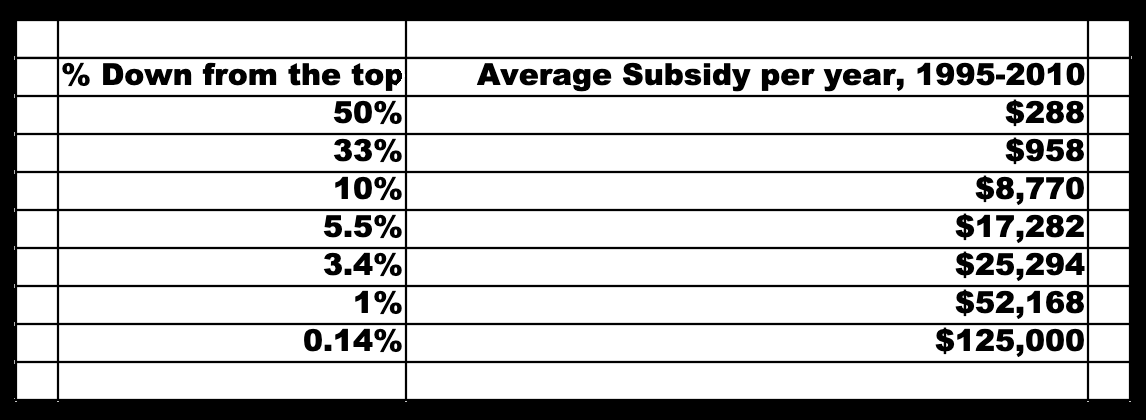
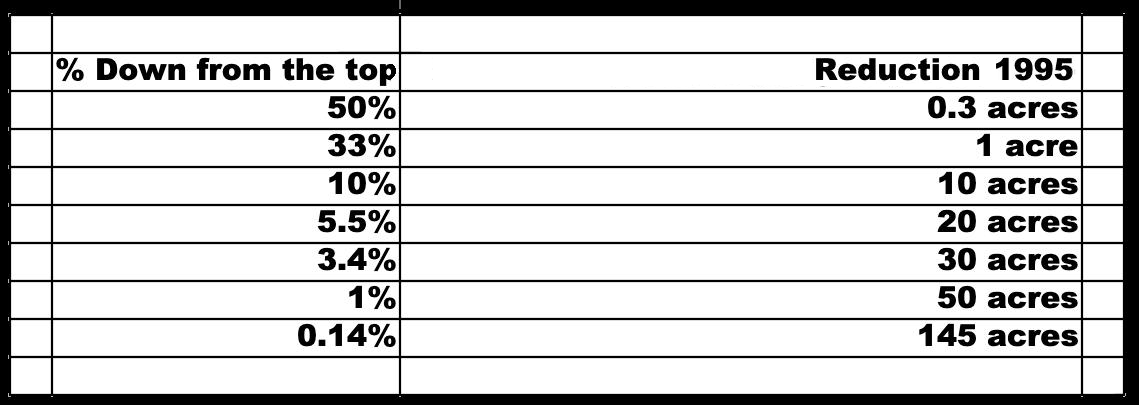
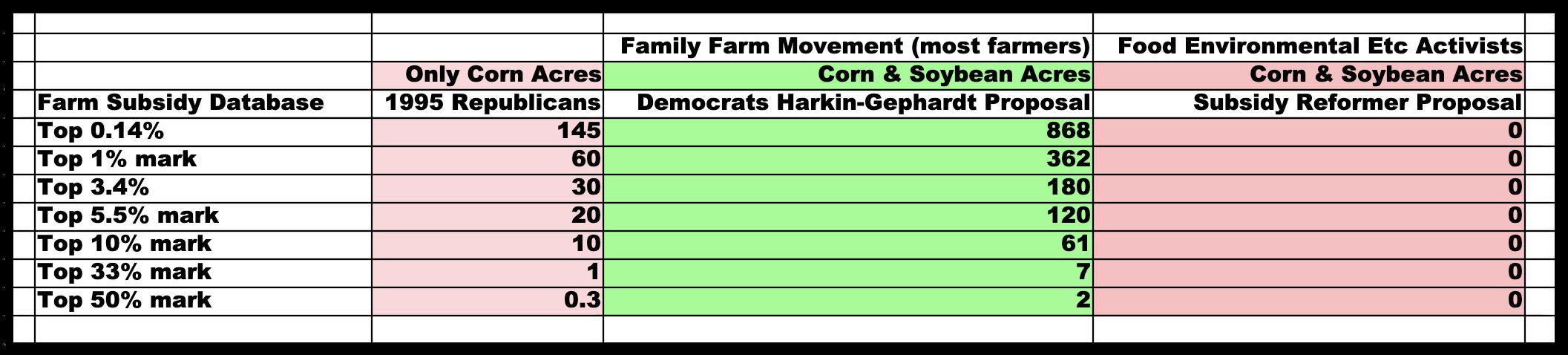
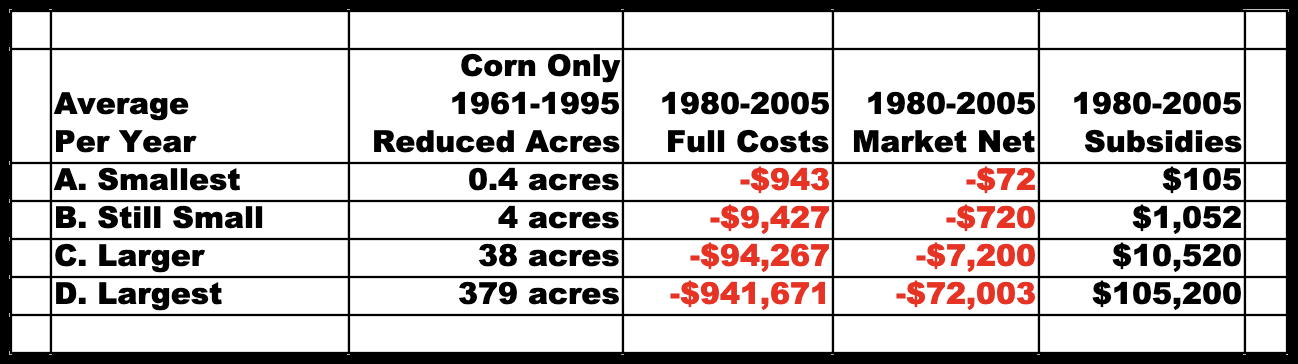
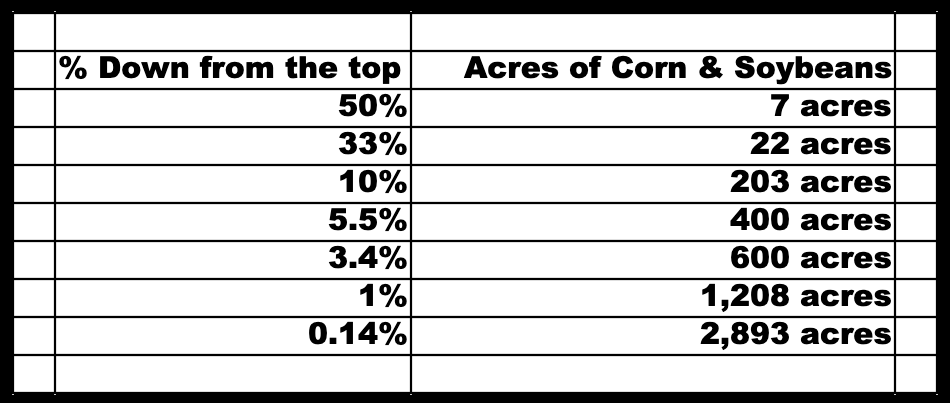
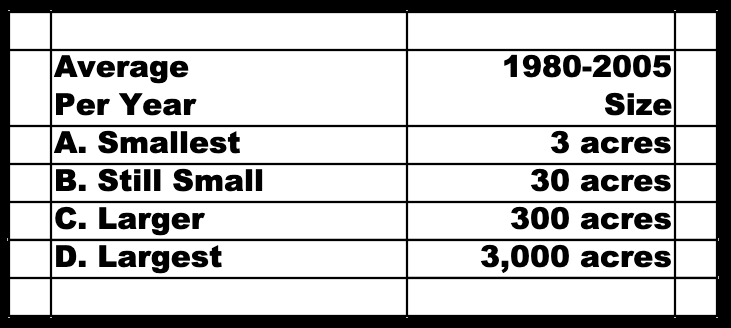


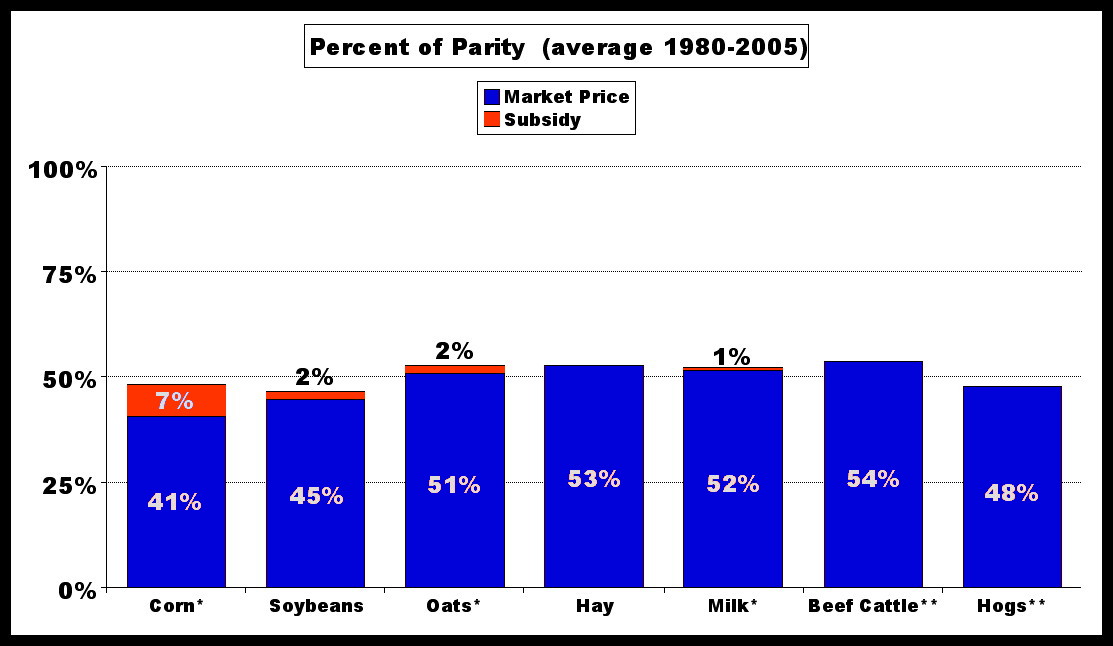
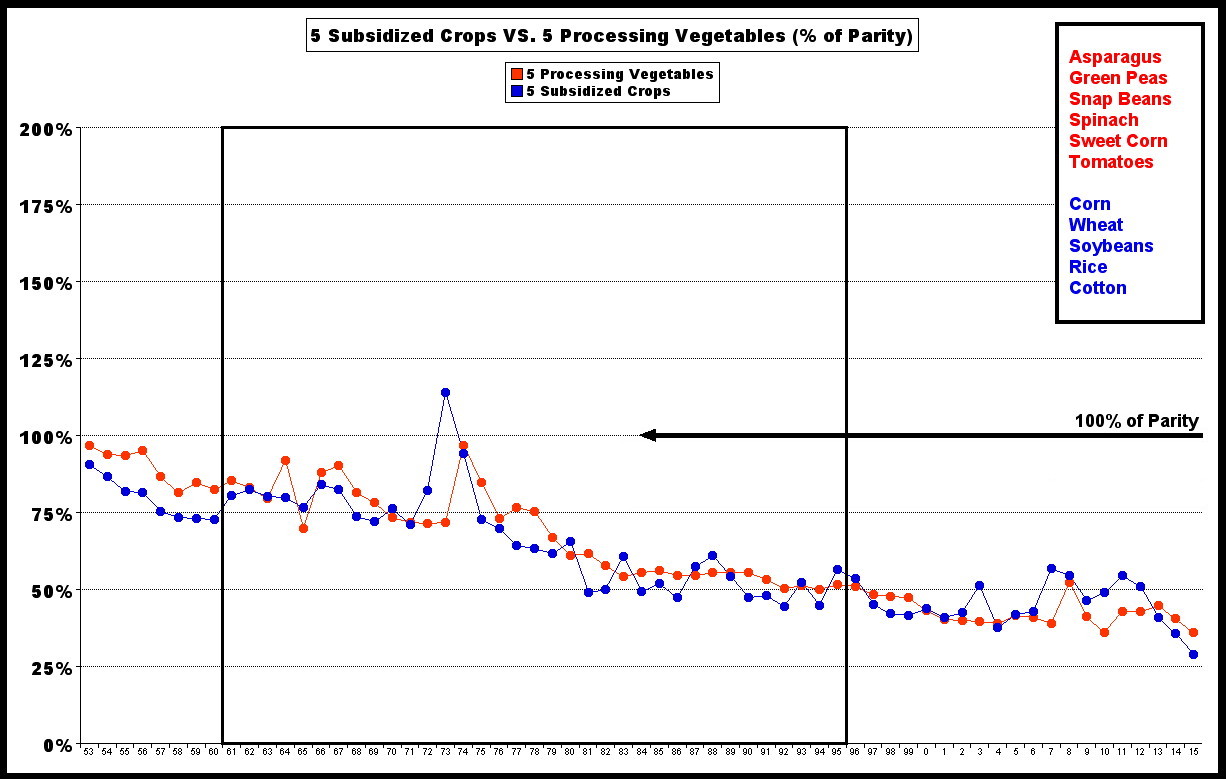
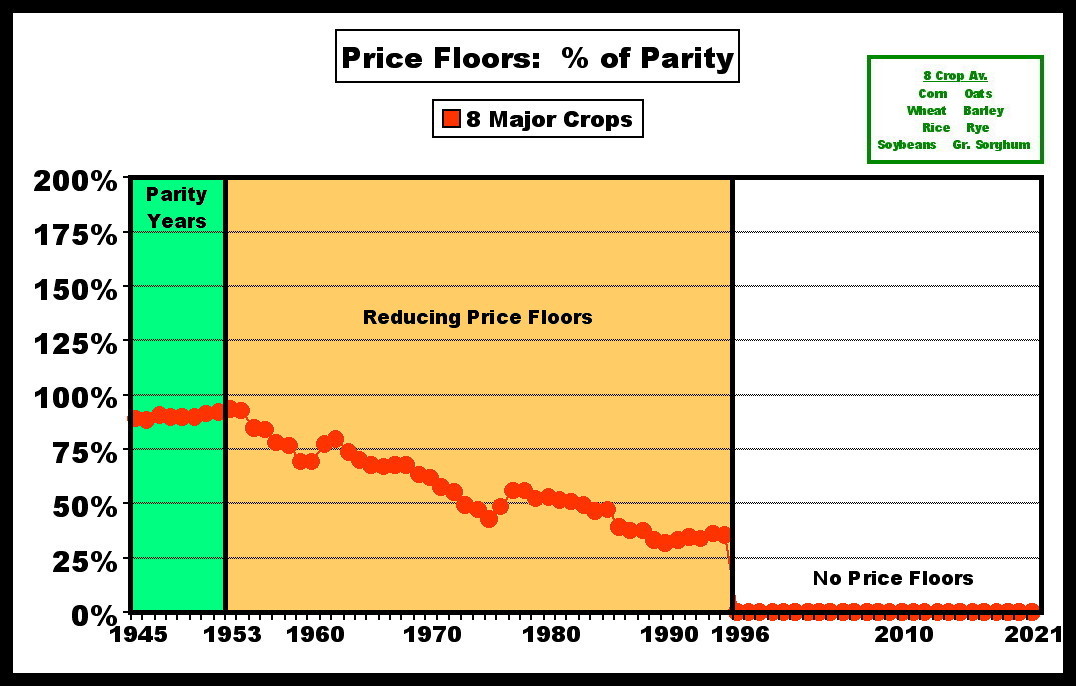

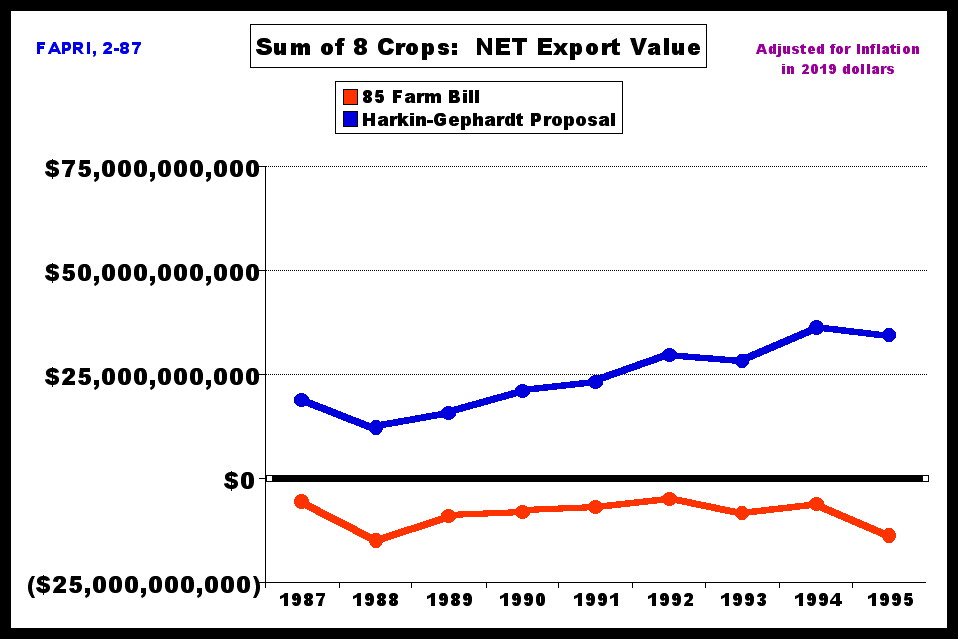
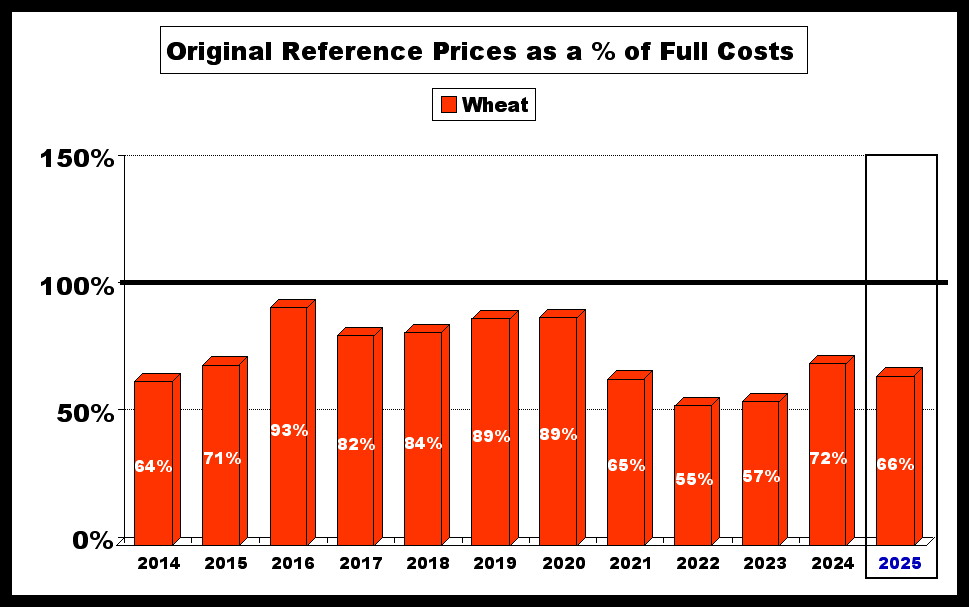

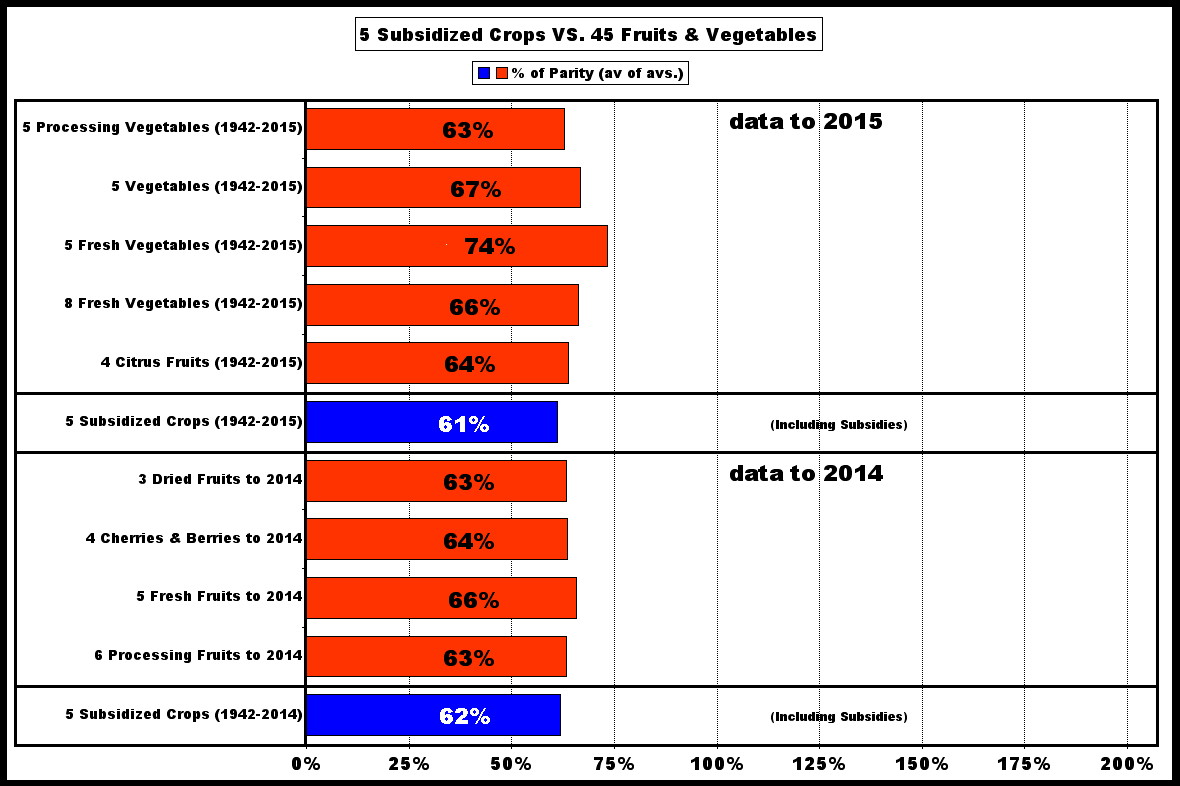
 familyfarmjustice